
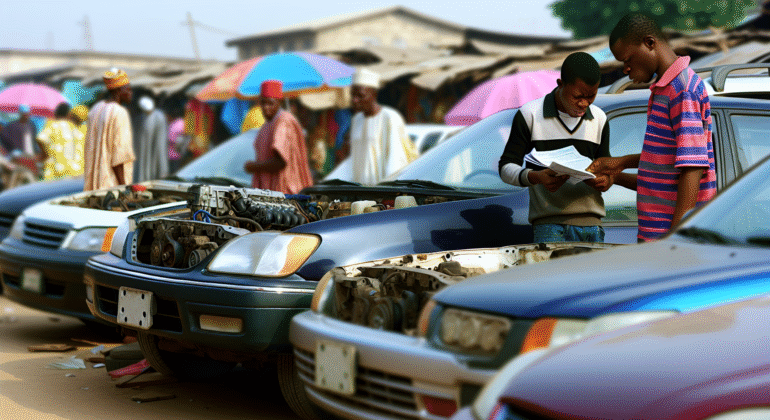
Here are 10 crucial checks to perform before committing to a used car purchase in Nigeria, ensuring you get the best value and avoid potentially costly problems down the line:
1. Exterior Body Inspection: Don’t just admire the paint job! Get up close and personal with the car’s body. Look for mismatched paint, indicating possible accident repairs. Check for rust, especially around the wheel wells, door sills, and under the vehicle. Pay attention to panel gaps – are they consistent? Inconsistent gaps can signal previous bodywork. Use your hands to feel for fillers or inconsistencies under the paint. A magnet can also be useful; it won’t stick to areas with significant filler. Remember, a seemingly minor dent can hide a more significant underlying issue. Check the bumpers for signs of cracking or misalignment. Also inspect the windshield and other windows for cracks, chips, or excessive scratches.
2. Engine Examination (Start-Up and Running): A healthy engine is the heart of any car. When starting the engine, listen carefully for any unusual noises like knocking, hissing, or whining. Observe the exhaust smoke, it should be light and almost invisible. Blue smoke suggests oil burning, black smoke indicates excessive fuel consumption, and white smoke could mean a coolant leak. Check the engine oil level and condition; it should be clean and not sludgy. Look for leaks around the engine block, hoses, and connections. Open the radiator cap (when the engine is cool!) and check for rust or oil contamination in the coolant. If possible, have a mechanic perform a compression test to assess the overall health of the engine cylinders.
3. Transmission Assessment (During Test Drive): The transmission is another vital component. During your test drive, pay close attention to how smoothly the car shifts gears. Automatic transmissions should shift seamlessly without jerking or hesitation. Manual transmissions should engage easily without grinding or slipping. Listen for any unusual noises coming from the transmission, such as clunking or whining, especially when shifting gears. Try accelerating and decelerating rapidly to see how the transmission responds under different loads. If you suspect any issues, it’s best to have a qualified mechanic inspect the transmission before making a final decision.
4. Brake System Evaluation: Your safety depends on reliable brakes. During the test drive, test the brakes at different speeds. The car should stop evenly and smoothly without pulling to one side. Listen for any grinding or squealing noises when applying the brakes, which could indicate worn brake pads or rotors. Check the brake pedal feel; it should be firm and not spongy. Also, inspect the brake lines and hoses for any signs of leaks or damage. If the car has ABS (Anti-lock Braking System), check that the ABS warning light turns on briefly when you start the engine and then turns off.
5. Suspension and Steering Check: A comfortable and controlled ride depends on a healthy suspension and steering system. During the test drive, pay attention to how the car handles bumps and potholes. Listen for any clunking or rattling noises coming from the suspension. Check the steering for excessive play or looseness. The car should track straight without wandering or pulling to one side. Inspect the tires for uneven wear, which can indicate suspension problems. Have a mechanic inspect the suspension components, such as the shocks, struts, and ball joints, for wear or damage.
6. Electrical System Verification: A faulty electrical system can be a nightmare. Check all the lights (headlights, taillights, brake lights, turn signals, interior lights) to ensure they are working properly. Test the air conditioning, radio, power windows, power locks, and other electrical accessories. Pay attention to the dashboard warning lights to see if any are illuminated, indicating a problem. Check the battery terminals for corrosion and ensure the battery is securely mounted. If possible, have a mechanic perform a battery load test to assess its health.
7. Interior Condition Inspection: The interior condition can reveal how well the car was maintained. Check the seats for tears, stains, or excessive wear. Inspect the carpets and floor mats for water damage or mold. Test all the seatbelts to ensure they are functioning properly. Check the dashboard for cracks or damage. Pay attention to any unusual odors, which could indicate a mold problem or other issues.
8. Tire Assessment: Tires are crucial for safety and performance. Check the tire tread depth to ensure it meets the legal minimum. Look for any signs of damage, such as cuts, bulges, or uneven wear. Make sure all four tires are the same size and type. Inspect the spare tire and ensure it is properly inflated. Also, check the tire pressure and adjust it as needed.
9. Documentation and Ownership Verification: Always verify the car’s documentation to ensure it is legitimate. Check the vehicle registration to make sure it matches the car’s Vehicle Identification Number (VIN). Inspect the title to ensure it is clean and free of any liens. Verify the seller’s identity and ensure they are the legal owner of the car. If possible, obtain a vehicle history report to check for any accidents, thefts, or other issues.
10. Professional Inspection: Even if you are mechanically inclined, it’s always a good idea to have a professional mechanic inspect the car before you buy it. A mechanic can identify potential problems that you might miss and provide you with an objective assessment of the car’s condition. The cost of a professional inspection is a small price to pay for peace of mind and can potentially save you thousands of naira in repairs down the road.
Conclusions
Careful checks and due diligence are vital before purchasing a used car in Nigeria. By following these ten steps, buyers can protect themselves from costly mistakes and ensure a safe, legal, and reliable investment. Patience, thorough inspections, and proper documentation are the keys to a successful used car purchase in Nigeria.