
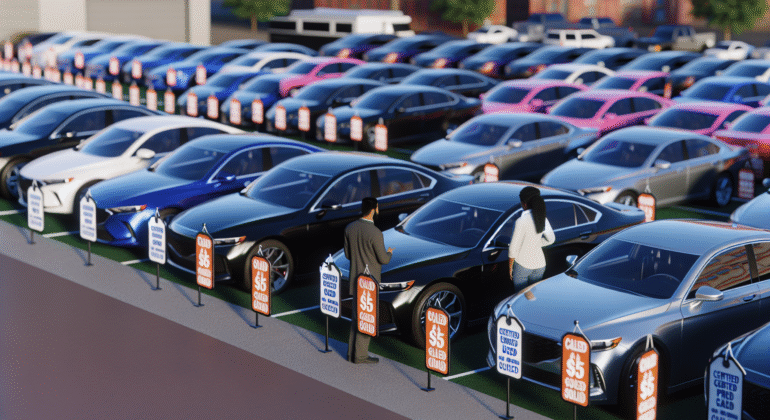
Ultimately, the question of whether to buy a used or new car doesn’t have a universally correct answer. The “better” choice hinges entirely on your individual circumstances, priorities, and financial situation. Let’s break down the key considerations that will guide you to the right decision.
Depreciation vs. Initial Cost: The most significant advantage of buying used is the substantial cost savings. New cars experience the steepest depreciation in the first few years of ownership. When you buy a used car, someone else has already absorbed that initial depreciation hit. This means you’re paying less for the same vehicle, even if it’s just a year or two old. Conversely, a new car comes with a higher price tag but theoretically holds its value better over a longer period (though the initial drop is undeniable). If your plan is to keep the car for many years, the long-term depreciation difference might be less impactful.
Budget and Financing: Your budget plays a crucial role. A used car often allows you to get a larger or better-equipped vehicle for the same price as a smaller, basic new car. Furthermore, financing options can differ. Interest rates on used car loans tend to be higher than those for new cars, which can erode some of the initial cost savings. Carefully compare financing terms for both used and new options to determine the true cost of ownership.
Reliability and Maintenance: New cars typically come with comprehensive warranties that cover most repairs for a specified period. This can provide peace of mind and protect you from unexpected expenses. Used cars may have some remaining warranty coverage, but it’s often limited or nonexistent. You’ll need to factor in potential maintenance and repair costs, especially for older vehicles. A thorough pre-purchase inspection by a trusted mechanic is essential when buying used. Modern used cars, even those a few years old, are often quite reliable, but research the specific model’s reliability ratings.
Features and Technology: New cars offer the latest safety features, infotainment systems, and fuel-efficient technologies. If having the most up-to-date technology is a priority, a new car is the obvious choice. However, even relatively recent used cars can offer a good selection of desirable features, often at a significantly lower price. You might be able to find a used model that was previously a higher trim level, packed with features that would cost significantly more on a new car.
Personal Preferences and Needs: Consider your driving needs and lifestyle. Do you need a specific type of vehicle for work or family? Are you comfortable with a car that has some wear and tear, or do you prefer the pristine condition of a new vehicle? Some people simply enjoy the experience of owning a brand-new car, while others prioritize saving money.
Long-Term Ownership: Consider how long you plan to keep the vehicle. If you typically trade in your car every few years, the rapid depreciation of a new car becomes a more significant factor. If you tend to drive your cars for a decade or more, the benefits of a new car, like the warranty and newer technology, might outweigh the initial cost.
In conclusion, there’s no definitive answer, and buying a car is a very personal experience. By carefully weighing these factors and honestly assessing your needs and financial situation, you can make an informed decision that’s right for you.
Conclusions
Ultimately, there is no one-size-fits-all answer to buying a used or new car. Carefully weighing depreciation, reliability, ongoing costs, emotional appeal, and environmental impact will help you match your purchase with your personal needs. By understanding these factors, you can confidently make a choice that fits both your budget and your lifestyle.