
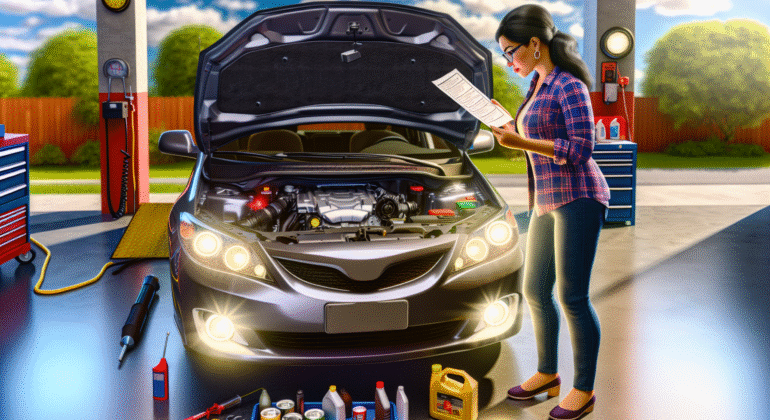
Here are the top 10 car maintenance tips every driver should know to keep their vehicle safe, reliable, and efficient:
- Regular Oil Changes: This is arguably the most crucial maintenance task. Oil lubricates the engine’s moving parts, preventing wear and tear. Dirty oil loses its viscosity and ability to protect the engine, leading to decreased performance and potential damage. Follow your vehicle’s manufacturer-recommended oil change intervals. Don’t just rely on mileage; consider time as well, especially if you don’t drive frequently. When changing your oil, always replace the oil filter. A clogged filter restricts oil flow, negating the benefits of fresh oil. Consider using synthetic oil, which offers superior protection, especially in extreme temperatures, and often allows for longer intervals between changes.
- Tire Pressure Monitoring and Maintenance: Proper tire inflation is essential for safety, fuel efficiency, and tire longevity. Check your tire pressure at least monthly, using a reliable tire pressure gauge. You can usually find the recommended tire pressure on a sticker inside the driver’s side doorjamb or in your owner’s manual. Inflate your tires to the recommended pressure, not the maximum pressure listed on the tire sidewall. Also, regularly inspect your tires for wear and tear, including uneven wear patterns, bulges, and sidewall cracks. Rotate your tires every 5,000 to 8,000 miles to ensure even wear. Don’t forget to check the spare tire’s pressure periodically as well.
- Brake Inspection and Maintenance: Your brakes are critical for safety. Listen for any unusual noises, such as squealing or grinding, when braking. These sounds could indicate worn brake pads or rotors. Have your brakes inspected by a qualified mechanic at least once a year. Brake fluid is also essential for proper brake function and should be inspected and flushed according to the manufacturer’s recommendations. Old brake fluid can absorb moisture, reducing its effectiveness and potentially leading to corrosion within the brake system.
- Fluid Level Checks: Regularly check all essential fluid levels, including coolant, brake fluid, power steering fluid, and windshield washer fluid. Low fluid levels can indicate leaks or other problems. Coolant is especially important for preventing engine overheating. Use the correct type of coolant recommended for your vehicle. Power steering fluid ensures smooth steering operation. Keep windshield washer fluid topped off for optimal visibility, especially during inclement weather.
- Battery Care: Car batteries typically last 3-5 years. Have your battery tested periodically, especially before the winter months. Clean any corrosion from the battery terminals with a battery terminal cleaner or a mixture of baking soda and water. Ensure the battery cables are securely connected. If your battery is old or showing signs of weakness, consider replacing it proactively to avoid being stranded.
- Air Filter Replacement: A clean air filter is essential for optimal engine performance and fuel efficiency. A clogged air filter restricts airflow to the engine, reducing power and increasing fuel consumption. Replace the air filter according to the manufacturer’s recommendations. In dusty or polluted environments, you may need to replace it more frequently.
- Windshield Wiper Blade Replacement: Worn wiper blades reduce visibility, especially during rain or snow. Replace your wiper blades every 6-12 months, or sooner if they streak or chatter. Consider using high-quality wiper blades for improved performance and longevity.
- Inspect Belts and Hoses: Belts and hoses are critical for various engine functions, such as power steering, air conditioning, and cooling. Inspect them regularly for cracks, fraying, or leaks. Replace any belts or hoses that show signs of wear or damage. A broken belt can leave you stranded.
- Lights Check: Ensure all your vehicle’s lights are working properly, including headlights, taillights, brake lights, and turn signals. Replace any burned-out bulbs promptly. Properly functioning lights are essential for safety, especially at night or in adverse weather conditions. Have someone help you check the brake lights to ensure they are working correctly.
- Regular Car Washes: Washing your car regularly not only keeps it looking good but also helps protect the paint from damage caused by dirt, salt, and other contaminants. Pay attention to the undercarriage, especially during the winter months when salt is used on the roads. Consider waxing your car periodically to further protect the paint and maintain its shine.
Conclusions
Staying proactive with these top 10 car maintenance tips can make a major difference in your vehicle’s performance and safety. By investing a little time and care into routine checks and timely repairs, you not only lower the risk of costly breakdowns but also enjoy a smoother, more dependable ride. Keep your car—and your journeys—trouble-free by turning these tips into habits.