
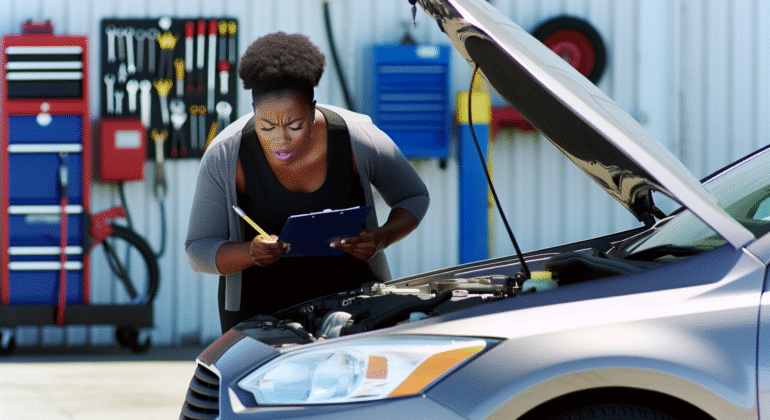
Before you hand over your hard-earned money for that used car, it’s crucial to run through a final checklist. This isn’t just about confirming what you already think you know; it’s about verifying, double-checking, and ensuring nothing has been missed. This meticulous approach can save you from costly surprises and future headaches.
* Verify all paperwork: Make sure you have all the necessary documents, including:
* Title: The title (or pink slip) is the most important document. Ensure the seller’s name matches the name on the title. Check for any alterations or erasures, which could indicate fraud. Verify the Vehicle Identification Number (VIN) on the title matches the VIN on the car’s dashboard and doorjamb. If the title is marked “salvage” or “rebuilt,” proceed with extreme caution, understanding the vehicle may have significant damage history.
* Bill of Sale: The bill of sale should include the date of sale, buyer’s and seller’s names and addresses, the vehicle’s make, model, year, VIN, the sale price, and a clear statement of transfer of ownership. Both buyer and seller should sign and date it.
* Warranty Information: If the car comes with a warranty (either remaining manufacturer warranty or a third-party warranty), obtain all documentation related to the warranty, including its terms, coverage, and claim procedures. Understand what’s covered, what’s not, and the process for making a claim.
* Maintenance Records: Review any available maintenance records. These records provide insight into the car’s service history and how well it has been maintained. Look for regular oil changes, tire rotations, and other routine maintenance.
* Confirm Financing Details (If Applicable): If you’re using a loan to finance the purchase, confirm all the loan details with your lender. This includes the loan amount, interest rate, repayment schedule, and any associated fees. Ensure that the loan terms align with your budget and financial goals.
* Review the Carfax/AutoCheck Report One Last Time: Run a new Carfax or AutoCheck report right before you pay. Sometimes things change. This will reveal if there have been any recent accidents reported, title issues, or odometer discrepancies since you initially checked.
* Final Inspection and Test Drive: Even if you’ve already inspected the car and taken it for a test drive, do it again just before paying. A fresh look can reveal anything you might have missed earlier.
* Start the engine: Listen for any unusual noises – knocking, hissing, or ticking. Check the exhaust for excessive smoke or unusual odors.
* Test all features: Check every button, switch, and feature one last time: lights, wipers, turn signals, radio, air conditioning, heat, power windows, power locks, sunroof, etc.
* Inspect tires: Look for uneven wear, which can indicate alignment issues or suspension problems.
* Check fluids: Quickly verify fluid levels (oil, coolant, brake fluid, power steering fluid) and look for any leaks.
* Negotiate Any Last-Minute Issues: If you find any new issues during your final inspection or test drive, don’t hesitate to negotiate the price. Even small problems can be costly to repair. Point out the issues to the seller and see if they are willing to lower the price or offer to fix the problem before you buy. If the seller is unwilling to budge, you can decide whether you’re comfortable with the issue at the current price or if you want to walk away.
* Understand the “As-Is” Clause (If Applicable): If the car is being sold “as-is,” understand that you are responsible for any repairs needed after the sale. Get any verbal promises in writing. While verbal agreements might seem good at the time, they are incredibly difficult to enforce later. Ensure any promises, warranties, or guarantees are documented in writing in the bill of sale.
* Payment Method and Security: Discuss the preferred payment method with the seller and ensure it’s secure.
* Cash: While cash is a common method, it also carries risks. If paying with cash, meet in a safe, public location, and consider getting a receipt signed by both parties.
* Certified Check or Money Order: These methods provide more security than cash, as they are guaranteed by the bank. However, ensure the check is made out to the correct seller and verify their identification.
* Escrow Services: For higher-value transactions, consider using an escrow service. The buyer deposits the funds with the escrow company, who then releases the funds to the seller once the car has been delivered and the title has been transferred.
* Final Gut Check: Before signing the paperwork and handing over the money, take a moment to pause. Do you feel good about the transaction? Are you comfortable with the car and the terms of the sale? Trust your instincts. If something feels off, it’s okay to walk away.
Conclusions
Thoroughly checking every aspect of a used car—budgeting, paperwork, inspection, and negotiation—reduces your risk and boosts your confidence in making a smart purchase. By taking these careful steps, you can secure a reliable vehicle and minimize unwelcome surprises after you pay. Always prioritize due diligence for a safer, more satisfying car-buying experience.