
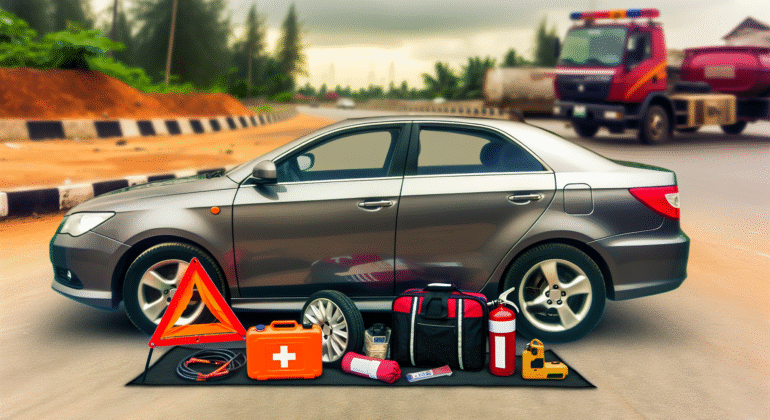
Every car owner in Nigeria needs to be prepared for the unique challenges of Nigerian roads. This isn’t just about comfort; it’s about safety, compliance with regulations, and being ready for anything from minor breakdowns to unexpected emergencies. Here are ten must-have items that every Nigerian car owner should keep in their vehicle:
1. Spare Tire (and Functional Jack & Wheel Spanner): This is non-negotiable. Potholes and poor road conditions are common in Nigeria, significantly increasing the risk of tire damage. Ensure your spare tire is properly inflated and that you also have a functional jack and the correct wheel spanner for your vehicle. Practice changing a tire at home so you’re not learning on the side of a busy road.
2. Jumper Cables: A dead battery can happen anytime, anywhere. Jumper cables allow you to get a jump start from another vehicle. Knowing how to properly use them is crucial; incorrect connections can damage your car’s electrical system. Invest in a good quality set with thick cables and strong clamps.
3. First Aid Kit: From minor cuts and scrapes to more serious injuries, a well-stocked first aid kit is essential. Include bandages, antiseptic wipes, pain relievers, gauze, medical tape, and any personal medications. Consider taking a basic first aid course to learn how to effectively use the contents of your kit.
4. Fire Extinguisher: A small fire can quickly escalate into a major disaster. A portable fire extinguisher specifically designed for automotive use can help contain a fire in its early stages. Make sure it’s easily accessible and that you know how to use it. It’s a good idea to have it inspected regularly to ensure it’s properly charged.
5. Warning Triangle(s): In case of a breakdown or accident, warning triangles alert other drivers to your presence, reducing the risk of further collisions. Place them a significant distance behind your vehicle, especially on highways or areas with limited visibility. Reflective triangles provide even greater visibility at night.
6. Vehicle Documents (and Photocopies): Always carry your original driver’s license, vehicle registration, insurance certificate, and any other relevant documents. It’s also wise to keep photocopies of these documents in a separate location in case the originals are lost or stolen. Make sure your insurance and vehicle particulars are up to date to avoid issues with law enforcement.
7. Cash (Small Denominations): While digital payments are becoming more common, having cash on hand is still essential in Nigeria. Small denominations are particularly useful for paying tolls, parking fees, or for tipping mechanics or other service providers.
8. Phone Charger (and/or Power Bank): A charged phone is a lifeline in case of emergencies. Whether it’s a car charger or a power bank, ensure you can keep your phone powered up to call for help, use navigation apps, or contact family and friends.
9. Flashlight or Headlamp: Whether you’re changing a tire at night or inspecting your engine, a flashlight or headlamp is invaluable. Choose one that is durable, water-resistant, and has a long battery life. A headlamp is particularly useful as it allows you to keep both hands free.
10. Basic Toolkit: A small toolkit containing essential tools like pliers, screwdrivers (Phillips and flathead), adjustable wrench, and duct tape can help you make minor repairs on the road. While it won’t replace a professional mechanic, it can get you out of a tight spot in some situations.
By keeping these ten items in your car, you’ll be better prepared to handle the challenges of driving in Nigeria, ensuring your safety, comfort, and peace of mind.
Staying prepared as a Nigerian car owner goes beyond routine car maintenance. By keeping these ten must-have items in your vehicle, you ensure your safety, comfort, and compliance with local regulations. Prioritizing these essentials is a smart way to face daily driving challenges confidently and handle emergencies with ease on Nigerian roads.