
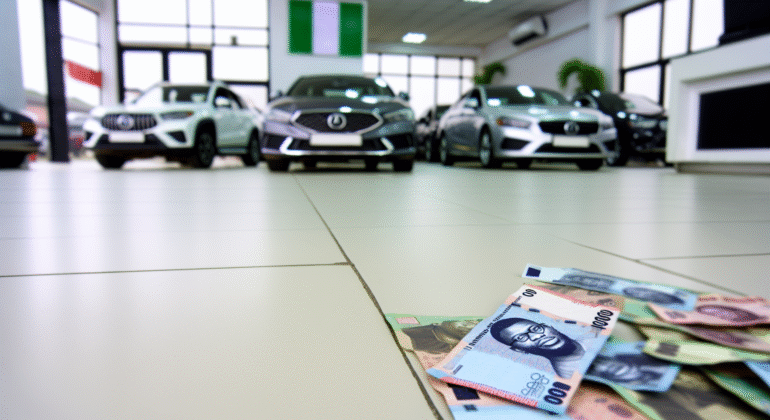
The correlation between exchange rates and car prices in Nigeria is a direct and powerful economic reality. Nigeria, heavily reliant on imported vehicles to meet its transportation needs, experiences significant price fluctuations driven by variations in the naira’s exchange rate against major currencies like the US dollar, euro, and Japanese yen. Understanding this relationship is crucial for both consumers and businesses operating in the automotive sector.
When the naira weakens against these currencies, the cost of importing vehicles increases substantially. This is because Nigerian importers must exchange more naira to acquire the foreign currency needed to pay for the cars. For instance, if a car costs $20,000 and the exchange rate moves from N400 to N500 per dollar, the importer now needs to spend N10,000,000 instead of N8,000,000 to purchase the same vehicle. This increased cost is inevitably passed on to the consumer, leading to higher car prices in the local market.
The impact isn’t limited to the initial purchase price. It extends to other cost components, such as shipping, insurance, and customs duties, which are often calculated in foreign currencies. Consequently, even if the car’s original price remains constant in its country of origin, the overall cost escalates in naira terms due to the unfavorable exchange rate.
Furthermore, the volatility of the naira can create uncertainty in the market. Importers may find it difficult to accurately predict their costs, leading them to inflate prices as a hedge against further currency depreciation. This speculative pricing can exacerbate the impact of exchange rate fluctuations, making cars even more expensive for consumers. Consumers on the other hand, might delay purchasing a car if they expect the Naira to appreciate, thus affecting sales for car retailers.
The used car market, a significant segment in Nigeria, is also affected. While used cars may not be directly imported at the point of sale, their prices are influenced by the cost of new vehicles. As new car prices rise due to exchange rate effects, demand shifts towards used cars, driving up their prices as well. This “ripple effect” makes vehicle ownership more expensive across the board.
It’s worth noting that government policies, such as import tariffs and levies, can amplify or mitigate the impact of exchange rates. High tariffs, combined with a weak naira, create a double whammy for consumers, significantly increasing the total cost of imported vehicles. Conversely, policies aimed at stabilizing the exchange rate or reducing import duties could help cushion the impact of currency fluctuations on car prices.
In essence, the exchange rate serves as a primary determinant of car prices in Nigeria. Its fluctuations directly influence importation costs, impacting both new and used car markets. Consumers and businesses alike must closely monitor exchange rate trends to make informed decisions within the automotive industry.
Conclusions
Conclusions
Exchange rate dynamics are central in shaping car prices in Nigeria, affecting every stakeholder in the automotive supply chain. When the naira weakens, the cost of imported vehicles rises, fueling general inflation and altering consumer behavior. A mix of informed decisions, market adaptation, and supportive policy reforms is essential for stabilizing prices and protecting buyers.