
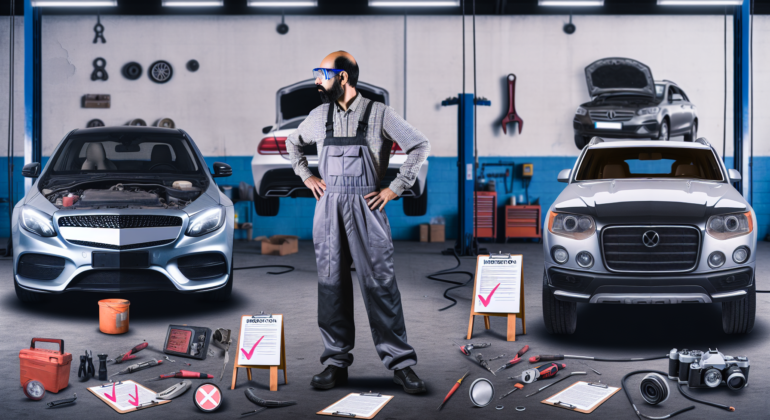
Mechanic’s Diary – Lessons From Three Cars That Passed and Failed Inspection
Let’s delve into some real-world examples from the workshop, dissecting why certain vehicles sailed through inspection while others stumbled. These aren’t just stories; they’re lessons etched in grease and diagnostic codes, offering valuable insights for car owners.
Car #1: The Pristine Pass – A 2015 Honda Civic
This Civic arrived looking almost showroom-new. The owner was meticulous with maintenance, and it showed. During the inspection, everything was in order. The brakes had plenty of life left, the tires were evenly worn and properly inflated, all lights were functioning, and there were no visible leaks. We hooked it up to the diagnostic scanner, and no error codes were present.
The Lesson: Regular maintenance is king. This owner understood the importance of scheduled servicing, addressing minor issues before they escalated into major inspection failures. Oil changes, tire rotations, and timely replacement of worn parts contributed to this car’s success. This is a good example of how preventative care can save you money and headaches in the future.
Car #2: The Borderline Fail – A 2008 Toyota Camry
This Camry wasn’t in terrible shape, but it had a few red flags. The tires were nearing the wear bars, the front brake pads were thin, and there was a minor oil leak from the valve cover gasket. While none of these issues individually constituted an immediate failure, the cumulative effect pushed it close to the line. The owner was given the option to address these issues and return for a re-inspection.
The Lesson: Neglecting minor repairs can lead to inspection failure. Small leaks can turn into big problems, and worn tires or brakes are safety hazards. Addressing these issues promptly not only ensures your car passes inspection but also improves its overall safety and reliability. It’s important to remember that inspectors often consider the overall condition of the vehicle, not just individual components. While not directly related, perhaps the post about Tips to Maintain Your Car Battery could bring you some insights relating regular car maintenance.
Car #3: The Comprehensive Failure – A 2005 Ford Explorer
This Explorer faced a multitude of problems. The check engine light was on, indicating a catalytic converter issue. The front suspension had excessive play, suggesting worn ball joints or tie rod ends. The windshield had a large crack obstructing the driver’s view. And, to top it off, the brake rotors were severely rusted. This vehicle failed inspection spectacularly.
The Lesson: Ignoring warning signs is a recipe for disaster. The check engine light, unusual noises from the suspension, and visible damage to the windshield are all indicators of underlying problems that need attention. Delaying repairs only exacerbates these issues, leading to more extensive (and expensive) repairs down the road. Furthermore, attempting to hide or temporarily fix problems (like clearing a check engine light without addressing the root cause) is usually futile, as inspectors are trained to spot these tactics. You may find additional information in this respect in the post about Understanding the MOT Testing Process.
These three cases paint a realistic picture of what vehicle inspectors encounter daily. The key takeaway is that proactive maintenance and timely repairs are crucial for passing inspection and ensuring safe driving.
In summary, a vehicle inspection can be a simple pass or a wake-up call for deeper issues. Regular maintenance, attention to detail, and understanding of local requirements are key to success. Whether driving a modern sedan or a beloved classic, know what inspectors look for—preparation is half the battle for keeping your car safe, legal, and always ready for the road.