
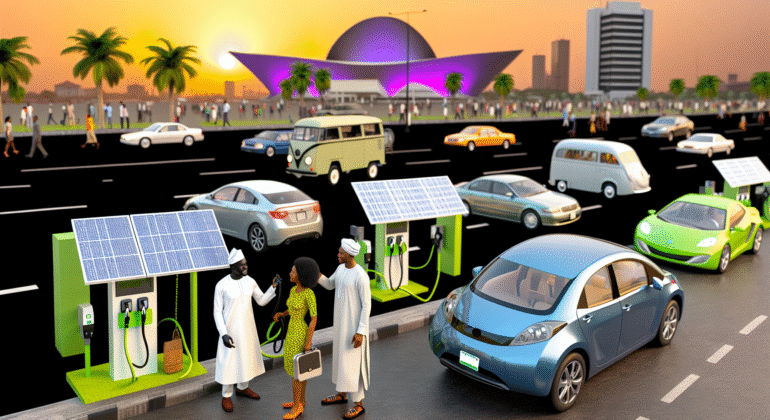
The transition to electric vehicles (EVs) in Nigeria is not merely a technological shift; it represents a potential overhaul of the nation’s transportation landscape. But is Nigeria truly prepared for this revolution? Several factors need consideration.
Consumer Readiness and Acceptance: A pivotal aspect is the awareness and acceptance of EVs among Nigerian consumers. While there’s growing global enthusiasm for electric mobility, perceptions in Nigeria are still largely shaped by limited exposure and prevailing beliefs. Many Nigerians associate EVs with high costs, limited range, and unreliable power supply – legitimate concerns that need to be addressed through education and practical demonstrations. Overcoming these reservations requires strategic public awareness campaigns highlighting the long-term benefits of EVs, including reduced running costs and environmental advantages.
Infrastructure Preparedness: A fundamental challenge is the lack of adequate charging infrastructure. The current power grid in Nigeria is characterized by instability, frequent outages, and insufficient capacity. Establishing a reliable and extensive network of charging stations is crucial for alleviating range anxiety and encouraging EV adoption. This necessitates strategic investments in upgrading the national grid, promoting renewable energy sources, and incentivizing private sector participation in the deployment of charging infrastructure. Government policies that encourage the installation of charging points at homes, workplaces, and public areas will also be vital. Overcoming range anxiety requires a multi-pronged approach, including strategic placement of public charging stations along major highways and urban centers.
Policy and Regulatory Frameworks: Supportive government policies and regulations are paramount to fostering a conducive environment for EV adoption. This includes implementing tax incentives, subsidies, and import duty reductions to make EVs more affordable. Clear standards for EV charging infrastructure, battery disposal, and safety regulations are also necessary to ensure a sustainable and safe transition. Creating a regulatory environment that encourages local manufacturing and assembly of EVs can further boost the industry. Furthermore, policies promoting the use of EVs in public transportation and government fleets can set a positive example and stimulate demand. Collaboration between government agencies, industry stakeholders, and research institutions is essential for developing effective and adaptable policies.
Skills and Expertise: The maintenance and repair of EVs require specialized skills and expertise. Nigeria’s existing automotive workforce needs to be retrained and upskilled to handle the unique demands of electric vehicles. Investing in vocational training programs, technical education, and knowledge transfer initiatives is critical for building a skilled workforce capable of supporting the EV industry. Encouraging partnerships between international EV manufacturers and local training institutions can facilitate the transfer of knowledge and best practices. Creating certification programs for EV technicians can further ensure quality and safety standards.
Economic Implications: The rise of EVs has significant implications for Nigeria’s economy. While the transition may initially involve some job displacement in the traditional automotive sector, it also presents new opportunities in areas such as EV manufacturing, charging infrastructure development, battery technology, and software development. Seizing these opportunities requires proactive planning, investments in education and training, and policies that promote innovation and entrepreneurship. Exploring opportunities in battery recycling and repurposing can further enhance the sustainability and economic viability of the EV industry.
In conclusion, while the rise of electric cars in Nigeria presents exciting prospects for a cleaner, more sustainable transportation system, the nation’s readiness hinges on addressing these critical factors. Overcoming infrastructure deficits, fostering consumer acceptance, implementing supportive policies, developing a skilled workforce, and proactively managing the economic implications are essential steps towards ensuring a successful and equitable transition to electric mobility. You can learn more about car financing by reading this post: 5 Trusted Car Financing Companies in Nigeria.
Conclusions
Electric cars present significant opportunities for Nigeria, from economic diversification to environmental benefits. However, realizing this vision depends on overcoming substantial infrastructural, financial, and social barriers. With deliberate policy, investment, and public engagement, Nigeria can join the global move toward electric mobility, but the journey will require coordinated action and persistent innovation.